Beyond Fast Food: How Indian Meals Teach Children Connection, Culture, & Care
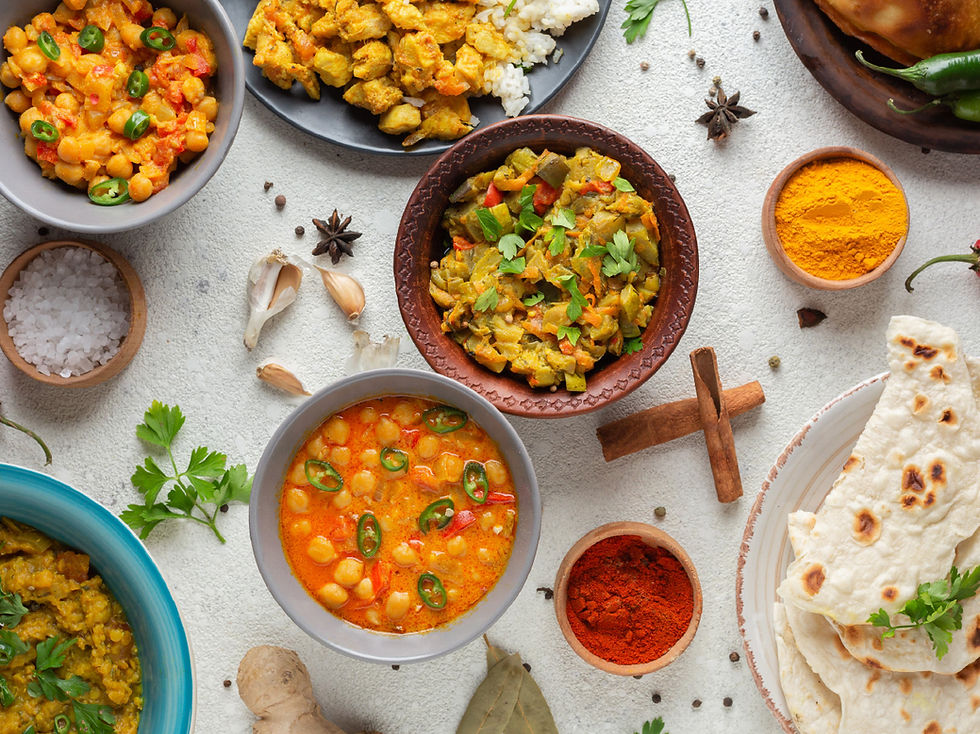
In Indian homes, mealtimes are special. Traditionally, it meant the entire family would gather to share food, stories, and laughter, making it an essential daily ritual. A warm plate of dal and rice, freshly made rotis, fragrant curries, homemade chutneys, and vegetables cooked with care would stir up the appetite and invite everyone to the dining area.
However, modern times, with its hurried meals, packaged snacks, and fast food, slowly started taking away from these age-old traditions. While convenience has its place, there is something deeply valuable about preserving the culture and connection that traditional Indian meals offer.
Beyond nourishment, they teach children about family, patience, gratitude, and belonging. They create opportunities for conversation, strengthen relationships, and introduce children to the flavors and traditions that shape their identity. In many ways, the food children grow up eating becomes closely tied to the memories they carry into adulthood.
The Power Of Eating Together
One of the greatest strengths of traditional Indian meals is the sense of togetherness they encourage. Across India, families have long gathered around food as part of everyday life. Whether it is breakfast before school, Sunday lunch with grandparents, or dinner after a busy day, shared meals often become moments of bonding. Children learn to sit together, listen to conversations, share stories, and enjoy each other’s company without distraction.
In modern households where schedules are often hectic, family mealtimes can feel difficult to maintain. Yet even one shared meal a day can make a meaningful difference. Children who regularly eat with their families often develop stronger communication skills, healthier eating habits, and greater emotional security. A meal together creates a pause in the day where children feel heard, connected, and reassured.
Traditional Indian Meals Carry Culture Forward
Indian home cooking carries a rich cultural value that fast food simply cannot replace. Recipes are often passed down through generations, carrying memories, traditions, and stories with them. A child helping roll chapatis with a parent or watching grandparents prepare festive dishes learns far more than cooking skills. They begin to understand heritage, regional diversity, and family traditions. These experiences help children develop a sense of identity and belonging by connecting them to their family stories, cultural traditions, and community. Every Indian household has its own unique flavors and customs. From khichdi on rainy days to elaborate festive meals during Diwali, Eid, Pongal, Onam, or Christmas, food plays an important role in celebrations and family rituals across cultures and communities. Through these experiences, children develop a deeper appreciation for their roots and learn to value the traditions that make their family unique.
Teaching Mindful Eating From An Early Age
Home-cooked Indian meals also encourage mindful eating, something that is often lost in today’s culture of eating on the go. Traditional meals are typically prepared with time, care, and balance. Children learn to savor flavors, recognize hunger and fullness cues, and appreciate the effort behind preparing food.
Mindful eating is not about restriction or perfection. It is about helping children build a healthy relationship with food from an early age. When meals are eaten slowly and together, children may become more open to trying a variety of foods and new ingredients. They begin to see food not as a quick distraction, but as an experience that nourishes both body and mind.
Another important benefit of Indian cuisine lies in its nutritional richness. Traditional meals are naturally diverse and balanced when prepared thoughtfully. Lentils, legumes, whole grains, vegetables, curds, nuts, seeds, and spices all contribute valuable nutrients that support children’s growth and development.
Dal provides protein and iron, vegetables offer essential vitamins and fiber, while spices such as turmeric, cumin, ginger, and coriander have long been valued for their health benefits. Fermented foods like idli, dosa, and curd support gut health, while wholesome staples such as millets and whole wheat provide energy for active young children.
Compared with heavily processed foods that are often high in sugar, salt, and unhealthy fats, traditional Indian meals can provide children with balanced nourishment while introducing them to a wide variety of tastes and textures. This variety is especially important during the early years when eating habits and food preferences are still developing.
Food As A Lesson In Care & Responsibility
Traditional meals also teach children care and responsibility. In many homes, children participate in simple food-related tasks such as washing vegetables, setting the table, or helping serve meals. These small acts encourage independence, teamwork, and gratitude. Children begin to understand that food does not simply appear on the table; it is prepared with effort, thought, and love.
At a time when convenience foods and digital distractions are becoming more common, returning to meaningful mealtimes can help families reconnect in simple but powerful ways. Children do not always remember what was said at the dinner table, but they often remember how those moments made them feel safe, valued, included, and cared for.
Nourishing More Than Just The Body
Food has always been one of the strongest ways families express love in Indian culture. A homemade lunch packed before school, a comforting meal after a long day, or a favorite dish prepared during celebrations all become expressions of warmth and connection. These everyday moments quietly shape children’s emotional wellbeing and sense of belonging.
At Dibber, we recognize that meals are an important part of a child’s learning journey. The Dibber MealTM in India aims to bring these values into our school meals every day by offering balanced, wholesome, and thoughtfully prepared food inspired by the richness of Indian cuisine. Mealtimes at our schools are designed to encourage fellowship, mindful eating, and healthy habits.
By creating positive mealtime experiences, we hope to nurture not only healthy bodies, but also confident, connected, and culturally rooted children who carry these values with them for years to come.


Comments